
Earth resistance testers measure the resistance of earth electrodes and grounding systems to help assess the effectiveness of an electrical installation’s connection to earth. Choose instruments for installation, maintenance and electrical safety testing across commercial and industrial applications.
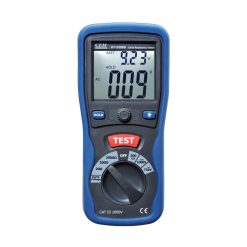
Earth Resistance Testers
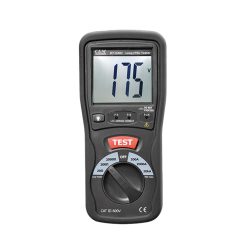
Earth Resistance Testers
About This Category
An effective earthing system provides a controlled path for fault current and is an important part of electrical installation safety. Earth resistance testers allow electricians and engineers to measure the resistance between an earth electrode and the surrounding soil, helping assess the performance of the earthing arrangement.
Earth resistance measurements are commonly carried out during installation, commissioning and periodic maintenance of electrical systems. Testing can help identify poor electrode contact, changes in soil conditions, deterioration of connections or other factors that may affect the performance of an existing earthing system.
Different instruments support different test methods. Traditional earth resistance measurements may use auxiliary test stakes positioned in the ground, while clamp-based instruments can provide an alternative testing method in suitable multi-grounded systems without disconnecting the earth electrode. The appropriate method depends on the installation and the measurement being performed.
When selecting an earth resistance tester, consider its measurement range, resolution, supported test methods and the type of installations you regularly work with. Features such as automatic ranging, data storage and additional voltage or continuity measurements may also be useful for installation and maintenance work.
Earth resistance testing is commonly performed alongside other electrical safety and installation checks. Browse our electrical testers for additional instruments used in electrical installation, maintenance and troubleshooting.